Managing & Maintaining Nutrition
Supporting you to eat well and stay hydrated.
Have in mind…
What can be done independently?

What needs prompting?
What needs practical help?
What would happen if support wasn’t received?



Under the Care Act, “managing and maintaining nutrition” is broader than simply preparing food.

Accessing Food & Drink
Planning food and shopping lists
Shopping and collecting groceries
Ordering groceries online
Accessing shops and supermarkets
Bringing food and drinks home
Checking supplies are available
Managing food within a budget
Finding community food services
Planning food and shopping lists
Shopping and collecting groceries
Ordering groceries online
Accessing shops and supermarkets
Bringing food and drinks home
Checking supplies are available
Managing food within a budget
Finding community food services
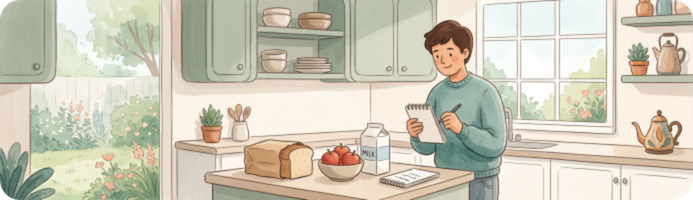
Meal Planning
Planning suitable meals
Maintaining variety and balance
Personal preferences and routines
Dietary requirement
Understanding food labels
Checking use-by dates
Planning for reduced appetite
Support with memory difficulties
Planning suitable meals
Maintaining variety and balance
Personal preferences and routines
Dietary requirement
Understanding food labels
Checking use-by dates
Planning for reduced appetite
Support with memory difficulties

Food Preparation
Preparing ingredients
Washing and chopping food
Preparing sandwiches and snacks
Cooking meals
Using the oven, hob, microwave or other kitchen appliances safely
Preparing meals in accordance with dietary requirements
Preparing appropriate portion sizes
Making hot and cold drink
Preparing meals in advance
Storing prepared food safely
Preparing ingredients
Washing and chopping food
Preparing sandwiches and snacks
Cooking meals
Using the oven, hob, microwave or other kitchen appliances safely
Preparing meals in accordance with dietary requirements
Preparing appropriate portion sizes
Making hot and cold drink
Preparing meals in advance
Storing prepared food safely

Eating & Drinking
Remembering to eat and drink
Regular mealtimes
Prompts and reassurance
Adequate intake
Confidence at meals
Mealtime companionship
Encouraging independence
Remembering to eat and drink
Regular mealtimes
Prompts and reassurance
Adequate intake
Confidence at meals
Mealtime companionship
Encouraging independence
Remembering to eat and drink
Regular mealtimes
Prompts and reassurance
Adequate intake
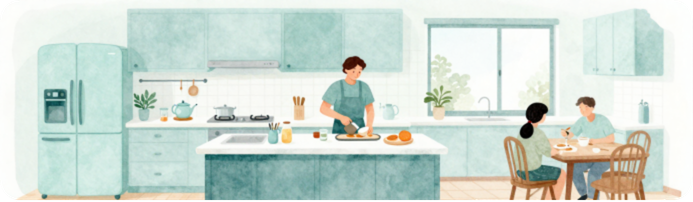
Physical & Cognitive Support
Difficulty standing for long enough to prepare food
Difficulty walking around the kitchen
Difficulty reaching cupboards or appliances
Difficulty opening packaging
Difficulty using knives or kitchen equipment
Difficulty lifting pans, kettles or plates
Difficulty carrying food or drinks
Fatigue affecting meal preparation
Tremors affecting food preparation or eating
Visual impairment affecting food preparation
Hearing impairment affecting cooking or kitchen safety
Forgetting to eat
Forgetting to drink
Forgetting that food has been prepared
Forgetting how to prepare familiar meals
Difficulty following recipes
Difficulty sequencing tasks
Leaving cooking unattended
Repeatedly preparing the same food
Eating inappropriate or unsafe food
Difficulty recognising when food has spoiled
Difficulty recognising hunger or thirst
Needing prompts to eat and drink
Difficulty standing for long enough to prepare food
Difficulty walking around the kitchen
Difficulty reaching cupboards or appliances
Difficulty opening packaging
Difficulty using knives or kitchen equipment
Difficulty lifting pans, kettles or plates
Difficulty carrying food or drinks
Fatigue affecting meal preparation
Tremors affecting food preparation or eating
Visual impairment affecting food preparation
Hearing impairment affecting cooking or kitchen safety
Forgetting to eat
Forgetting to drink
Forgetting that food has been prepared
Forgetting how to prepare familiar meals
Difficulty following recipes
Difficulty sequencing tasks
Leaving cooking unattended
Repeatedly preparing the same food
Eating inappropriate or unsafe food
Difficulty recognising when food has spoiled
Difficulty recognising hunger or thirst
Needing prompts to eat and drink
Difficulty standing for long enough to prepare food
Difficulty walking around the kitchen
Difficulty reaching cupboards or appliances
Difficulty opening packaging
Difficulty using knives or kitchen equipment
Difficulty lifting pans, kettles or plates
Difficulty carrying food or drinks
Fatigue affecting meal preparation
Tremors affecting food preparation or eating
Visual impairment affecting food preparation
Hearing impairment affecting cooking or kitchen safety
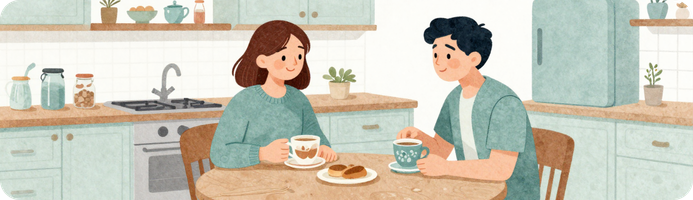
Social & Emotional Wellbeing
Loss of confidence around cooking
Eating alone
Social isolation affecting eating
Loss of interest in food
Anxiety around food preparation
Encouraging someone to eat
Providing companionship during meals
Encouraging someone to continue eating independently where possible
Helping maintain enjoyable mealtime routines
Loss of confidence around cooking
Eating alone
Social isolation affecting eating
Loss of interest in food
Anxiety around food preparation
Encouraging someone to eat
Providing companionship during meals
Encouraging someone to continue eating independently where possible
Helping maintain enjoyable mealtime routines
Loss of confidence around cooking
Eating alone
Social isolation affecting eating
Loss of interest in food
Anxiety around food preparation
The Care Act 2014
The Care Act 2014 is the main law that governs adult social care in England. It came into effect in April 2015 and brought together much of the previous legislation governing care and support.
In simple terms, it sets out what local authorities must do to assess, support and protect adults who may have care and support needs, as well as the rights of carers.