Make use of your home safely
Supporting you to remain independent.
Have in mind…
What can be done independently?

What needs prompting?
What needs practical help?
What would happen if support wasn’t received?

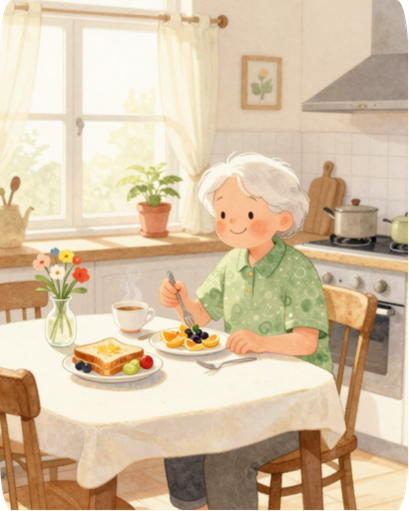
Under the Care Act, “being able to make use of the home safely” looks at whether a person can use their home and its facilities safely, given their physical, sensory, cognitive or mental health needs.
Moving around the home
Moving safely between rooms
Walking around independently
Using walking aids safely
Moving from sitting to standing
Getting in and out of chairs
Getting in and out of bed
Moving safely through doorways
Navigating narrow spaces
Managing changes in floor level
Using stairs
Using handrails
Accessing frequently used rooms
Moving around safely when tired or unwell
Moving safely between rooms
Walking around independently
Using walking aids safely
Moving from sitting to standing
Getting in and out of chairs
Getting in and out of bed
Moving safely through doorways
Navigating narrow spaces
Managing changes in floor level
Using stairs
Using handrails
Accessing frequently used rooms
Moving around safely when tired or unwell
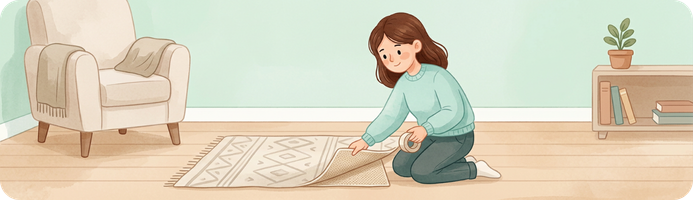
Preventing Falls
Identifying trip hazards
Keeping walkways clear
Managing loose rugs and mats
Managing cables
Ensuring adequate lighting
Using appropriate footwear
Supporting safe movement
Recognising increased falls risk
Knowing what to do after a fall
Reporting repeated falls or concerns
Supporting appropriate professional assessment where necessary
Identifying trip hazards
Keeping walkways clear
Managing loose rugs and mats
Managing cables
Ensuring adequate lighting
Using appropriate footwear
Supporting safe movement
Recognising increased falls risk
Knowing what to do after a fall
Reporting repeated falls or concerns
Supporting appropriate professional assessment where necessary
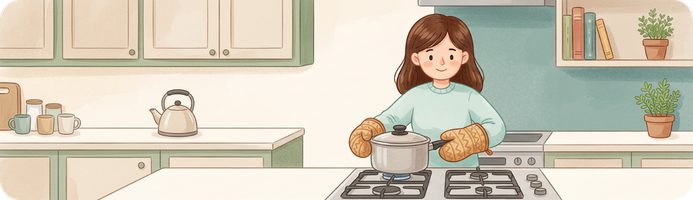
Using the kitchen safely
Using the oven
Using the hob
Using the microwave
Using a kettle
Using kitchen appliances
Handling hot food and drinks
Handling sharp objects
Opening packaging
Moving hot pans
Reaching cupboards safely
Storing food safely
Remembering to switch appliances off
Avoiding leaving cooking unattended
Managing kitchen hazards
Using the oven
Using the hob
Using the microwave
Using a kettle
Using kitchen appliances
Handling hot food and drinks
Handling sharp objects
Opening packaging
Moving hot pans
Reaching cupboards safely
Storing food safely
Remembering to switch appliances off
Avoiding leaving cooking unattended
Managing kitchen hazards
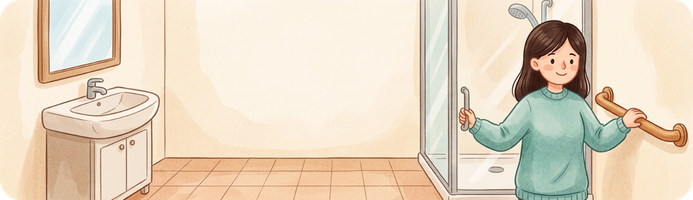
Using the bathroom safely
Accessing the bathroom
Getting on and off the toilet
Getting in and out of the bath
Getting in and out of the shower
Using grab rails
Managing slippery surfaces
Accessing toiletries
Maintaining safe lighting
Managing bathroom equipment
Recognising when additional equipment may be needed
Accessing the bathroom
Getting on and off the toilet
Getting in and out of the bath
Getting in and out of the shower
Using grab rails
Managing slippery surfaces
Accessing toiletries
Maintaining safe lighting
Managing bathroom equipment
Recognising when additional equipment may be needed
Remembering to eat and drink
Regular mealtimes
Prompts and reassurance
Adequate intake
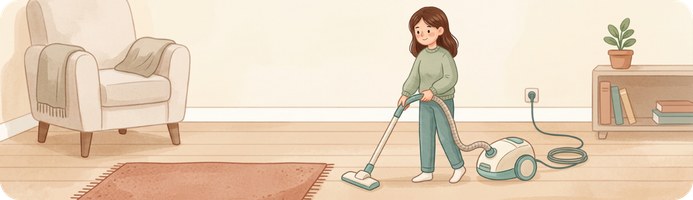
Using household equipment
Using household technology
Understanding appliance controls
Remembering to switch appliances off
Recognising when equipment is unsafe
Using electrical appliances safely
Using heating controls
Using lights
Using the telephone
Using televisions and remote controls
Using electrical appliances safely
Using heating controls
Using lights
Using the telephone
Using televisions and remote controls
Using household technology
Understanding appliance controls
Remembering to switch appliances off
Recognising when equipment is unsafe
Difficulty standing for long enough to prepare food
Difficulty walking around the kitchen
Difficulty reaching cupboards or appliances
Difficulty opening packaging
Difficulty using knives or kitchen equipment
Difficulty lifting pans, kettles or plates
Difficulty carrying food or drinks
Fatigue affecting meal preparation
Tremors affecting food preparation or eating
Visual impairment affecting food preparation
Hearing impairment affecting cooking or kitchen safety
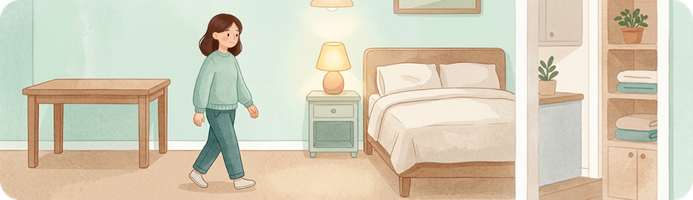
Using the bedroom safely
Getting in and out of bed
Moving around the bedroom
Accessing clothing
Using bedside equipment
Managing night-time movement
Using appropriate lighting
Accessing the bathroom at night
Reducing trip hazards
Maintaining clear pathways
Getting in and out of bed
Moving around the bedroom
Accessing clothing
Using bedside equipment
Managing night-time movement
Using appropriate lighting
Accessing the bathroom at night
Reducing trip hazards
Maintaining clear pathways
Loss of confidence around cooking
Eating alone
Social isolation affecting eating
Loss of interest in food
Anxiety around food preparation
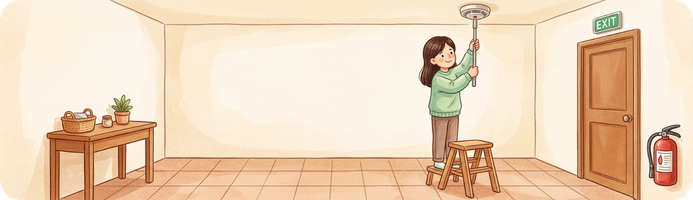
Fire and emergency safety
Understanding fire safety procedures
Recognising risks from cooking
Recognising risks from heaters and electrical equipment
Maintaining accessible escape routes
Knowing where smoke alarms are located
Knowing what to do in an emergency
Being able to raise the alarm
Accessing a telephone
Knowing emergency contact arrangements
Being able to leave the property safely
Knowing what to do in an emergency
Being able to raise the alarm
Accessing a telephone
Knowing emergency contact arrangements
Being able to leave the property safely
Understanding fire safety procedures
Recognising risks from cooking
Recognising risks from heaters and electrical equipment
Maintaining accessible escape routes
Knowing where smoke alarms are located
Difficulty standing for long enough to prepare food
Difficulty walking around the kitchen
Difficulty reaching cupboards or appliances
Difficulty opening packaging
Difficulty using knives or kitchen equipment
Difficulty lifting pans, kettles or plates
Difficulty carrying food or drinks
Fatigue affecting meal preparation
Tremors affecting food preparation or eating
Visual impairment affecting food preparation
Hearing impairment affecting cooking or kitchen safety
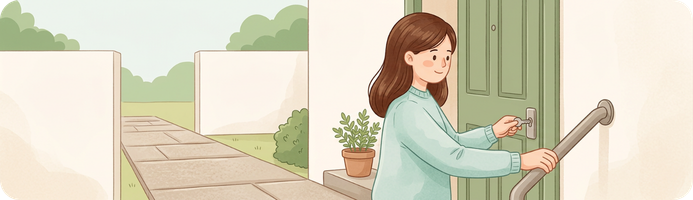
Accessing the home safely
Opening and closing doors
Using locks
Answering the door
Identifying visitors
Managing keys
Using doorbells
Accessing the garden
Using entrances and exits
Managing steps
Using ramps
Getting safely in and out of the property
Opening and closing doors
Using locks
Answering the door
Identifying visitors
Managing keys
Using doorbells
Accessing the garden
Using entrances and exits
Managing steps
Using ramps
Getting safely in and out of the property
Loss of confidence around cooking
Eating alone
Social isolation affecting eating
Loss of interest in food
Anxiety around food preparation
The Care Act 2014
The Care Act 2014 is the main law that governs adult social care in England. It came into effect in April 2015 and brought together much of the previous legislation governing care and support.
In simple terms, it sets out what local authorities must do to assess, support and protect adults who may have care and support needs, as well as the rights of carers.