Maintain a habitable home environment
Supporting you to remain independent.
Have in mind…
What can be done independently?

What needs prompting?
What needs practical help?
What would happen if support wasn’t received?
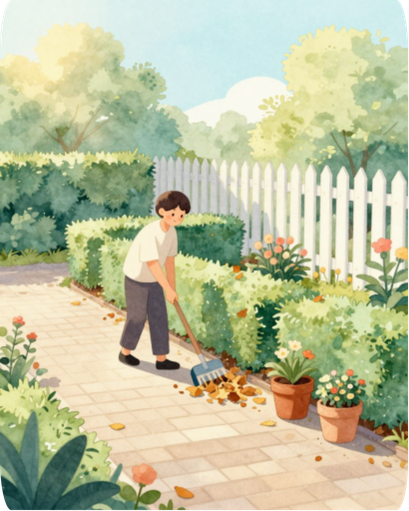

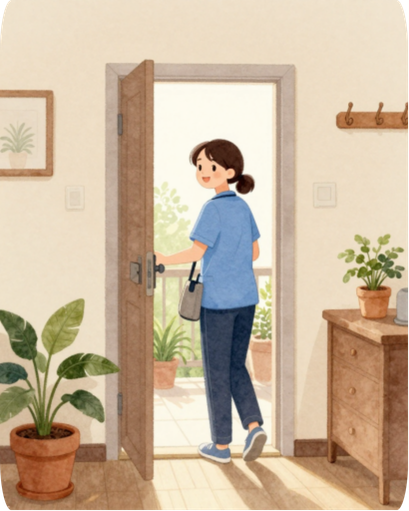
For the Care Act outcome “maintaining a habitable home environment”, the focus is slightly different from “being able to make use of the home safely.”
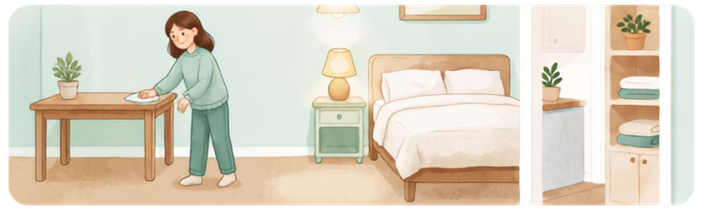
General cleanliness
Moving safely between rooms
Walking around independently
Using walking aids safely
Moving from sitting to standing
Getting in and out of chairs
Getting in and out of bed
Moving safely through doorways
Navigating narrow spaces
Managing changes in floor level
Using stairs
Using handrails
Accessing frequently used rooms
Moving around safely when tired or unwell
Keeping the home clean
Vacuuming
Sweeping
Mopping floors
Dusting
Cleaning surfaces
Cleaning frequently used areas
Cleaning spills
Keeping the home free from excessive dirt
Cleaning high-use areas
Maintaining general household hygiene
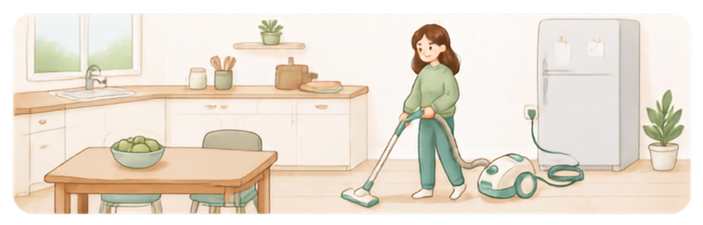
Kitchen environment
Identifying trip hazards
Keeping walkways clear
Managing loose rugs and mats
Managing cables
Ensuring adequate lighting
Using appropriate footwear
Supporting safe movement
Recognising increased falls risk
Knowing what to do after a fall
Reporting repeated falls or concerns
Supporting appropriate professional assessment where necessary
Washing dishes
Loading and unloading the dishwasher
Cleaning kitchen surfaces
Cleaning the sink
Cleaning the microwave
Cleaning the fridge
Removing food waste
Checking food storage areas
Keeping cupboards reasonably clean
Managing food-related mess
Maintaining hygienic food preparation areas
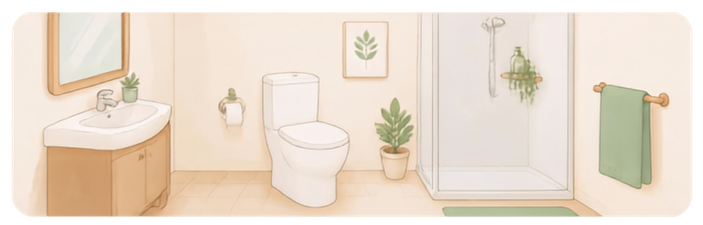
Bathroom and toilet environment
Using the oven
Using the hob
Using the microwave
Using a kettle
Using kitchen appliances
Handling hot food and drinks
Handling sharp objects
Opening packaging
Moving hot pans
Reaching cupboards safely
Storing food safely
Remembering to switch appliances off
Avoiding leaving cooking unattended
Managing kitchen hazards
Cleaning the bathroom
Cleaning the toilet
Cleaning the sink
Cleaning the shower or bath
Cleaning floors
Managing dampness
Removing rubbish
Maintaining basic hygiene
Keeping essential bathroom facilities usable
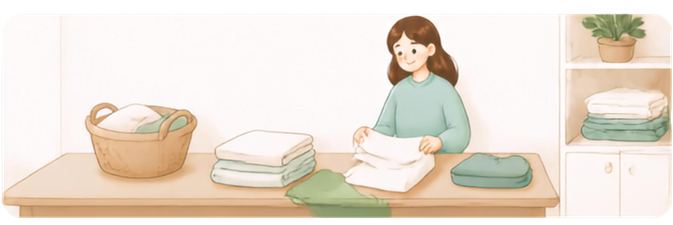
Laundry and household linen
Accessing the bathroom
Getting on and off the toilet
Getting in and out of the bath
Getting in and out of the shower
Using grab rails
Managing slippery surfaces
Accessing toiletries
Maintaining safe lighting
Managing bathroom equipment
Recognising when additional equipment may be needed
Washing clothes
Drying clothes
Folding clothes
Putting clothes away
Changing bed linen
Washing towels
Maintaining clean bedding
Managing laundry routines
Remembering to eat and drink
Regular mealtimes
Prompts and reassurance
Adequate intake
Preventing excessive accumulation of rubbish
Keeping waste away from food preparation areas
Recognising when waste is becoming a hygiene or safety concern
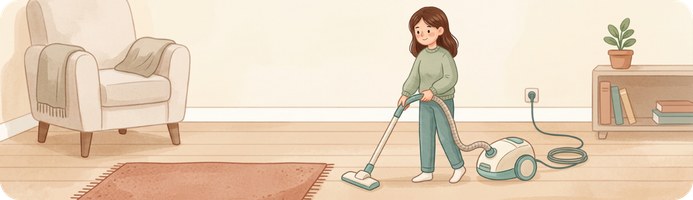
Rubbish and waste
Taking rubbish out
Managing household waste
Replacing bin bags
Separating recycling
Difficulty standing for long enough to prepare food
Difficulty walking around the kitchen
Difficulty reaching cupboards or appliances
Difficulty opening packaging
Difficulty using knives or kitchen equipment
Difficulty lifting pans, kettles or plates
Difficulty carrying food or drinks
Fatigue affecting meal preparation
Tremors affecting food preparation or eating
Visual impairment affecting food preparation
Hearing impairment affecting cooking or kitchen safety
Using electrical appliances safely
Using heating controls
Using lights
Using the telephone
Using televisions and remote controls
Using household technology
Understanding appliance controls
Remembering to switch appliances off
Recognising when equipment is unsafe
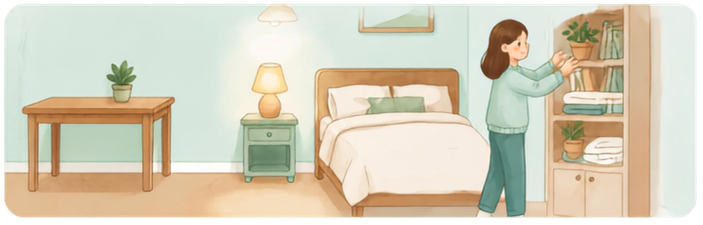
Using the bedroom safely
Getting in and out of bed
Moving around the bedroom
Accessing clothing
Using bedside equipment
Managing night-time movement
Using appropriate lighting
Accessing the bathroom at night
Reducing trip hazards
Maintaining clear pathways
Keeping floors and walkways reasonably clear
Reducing household clutter
Organising commonly used items
Putting belongings away
Maintaining accessible living areas
Preventing excessive accumulation of possessions
Maintaining an environment that the person can comfortably use
Loss of confidence around cooking
Eating alone
Social isolation affecting eating
Loss of interest in food
Anxiety around food preparation
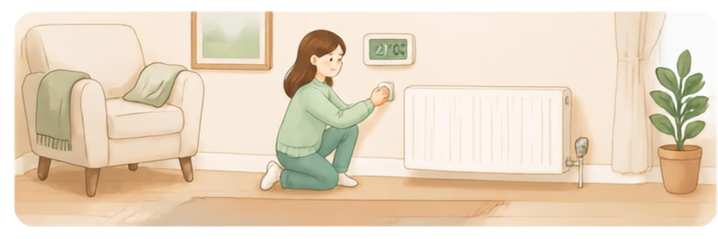
Heating and temperature
Managing heating routines
Identifying concerns with heating
Reporting heating failures
Seeking appropriate assistance when heating is not working
Using heating controls
Maintaining a suitable temperature
Turning heating on and off appropriately
Recognising when the home is too cold
Accessing heating controls
Knowing what to do in an emergency
Being able to raise the alarm
Accessing a telephone
Knowing emergency contact arrangements
Being able to leave the property safely
Understanding fire safety procedures
Recognising risks from cooking
Recognising risks from heaters and electrical equipment
Maintaining accessible escape routes
Knowing where smoke alarms are located
Difficulty standing for long enough to prepare food
Difficulty walking around the kitchen
Difficulty reaching cupboards or appliances
Difficulty opening packaging
Difficulty using knives or kitchen equipment
Difficulty lifting pans, kettles or plates
Difficulty carrying food or drinks
Fatigue affecting meal preparation
Tremors affecting food preparation or eating
Visual impairment affecting food preparation
Hearing impairment affecting cooking or kitchen safety
Repairs and maintenance
Opening and closing doors
Using locks
Answering the door
Identifying visitors
Managing keys
Using doorbells
Accessing the garden
Using entrances and exits
Managing steps
Using ramps
Getting safely in and out of the property
Recognise that something needs repairing
Report repairs
Arrange repairs
Communicate with a landlord
Contact contractors
Arrange appointments
Allow access for essential repairs
Follow up outstanding repairs
Maintain basic household equipment
Loss of confidence around cooking
Eating alone
Social isolation affecting eating
Loss of interest in food
Anxiety around food preparation
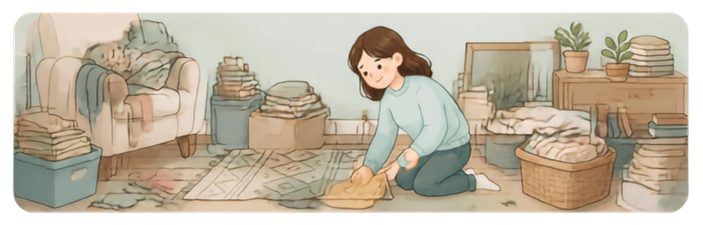
Excessive clutter and hoarding
Difficulty accessing bathroom facilities
Accumulation of rubbish
Increased fire risk
Reduced hygiene
Difficulty maintaining the property
Excessive accumulation of possessions
Difficulty accessing rooms
Blocked walkways
Inability to use furniture normally
Difficulty accessing kitchen facilities
Knowing what to do in an emergency
Being able to raise the alarm
Accessing a telephone
Knowing emergency contact arrangements
Being able to leave the property safely
Understanding fire safety procedures
Recognising risks from cooking
Recognising risks from heaters and electrical equipment
Maintaining accessible escape routes
Knowing where smoke alarms are located
Difficulty standing for long enough to prepare food
Difficulty walking around the kitchen
Difficulty reaching cupboards or appliances
Difficulty opening packaging
Difficulty using knives or kitchen equipment
Difficulty lifting pans, kettles or plates
Difficulty carrying food or drinks
Fatigue affecting meal preparation
Tremors affecting food preparation or eating
Visual impairment affecting food preparation
Hearing impairment affecting cooking or kitchen safety
Maintaining a habitable home also involves the practical organisation needed to keep essential services running.
Household administration
Managing household bills
Understanding utility correspondence
Contacting utility companies
Arranging appointments
Reporting problems
Organising repairs
Keeping information accessible
Managing household supplies
Ordering essential items
Household supplies
Toilet paper
Cleaning products
Laundry products
Personal household supplies
Light bulbs
Batteries
Basic kitchen supplies
Food storage supplies
Bin bags
Essential household amenities
Running water
Electricity
Gas, where applicable
Heating
Hot water
Lighting
Toilet facilities
Washing facilities
Cooking facilities
Refrigeration
The Care Act 2014
The Care Act 2014 is the main law that governs adult social care in England. It came into effect in April 2015 and brought together much of the previous legislation governing care and support.
In simple terms, it sets out what local authorities must do to assess, support and protect adults who may have care and support needs, as well as the rights of carers.